Pula reveals its beauty not only above the surface — its true magic continues beneath the sea. Its indented coastline, crystal-clear waters, and rich underwater world make this part of Istria an ideal destination for snorkeling enthusiasts and anyone eager to explore natural marine wonders. Among the many attractive locations, Havajsko and Prirodno stand out as two unique underwater routes that unveil fascinating rock formations, caves, tunnels, and the vibrant flora and fauna of the Adriatic. Each offers a different experience of the sea, combining adventure, natural heritage, and unforgettable sights that remain in memory long after leaving the water.
Havajsko
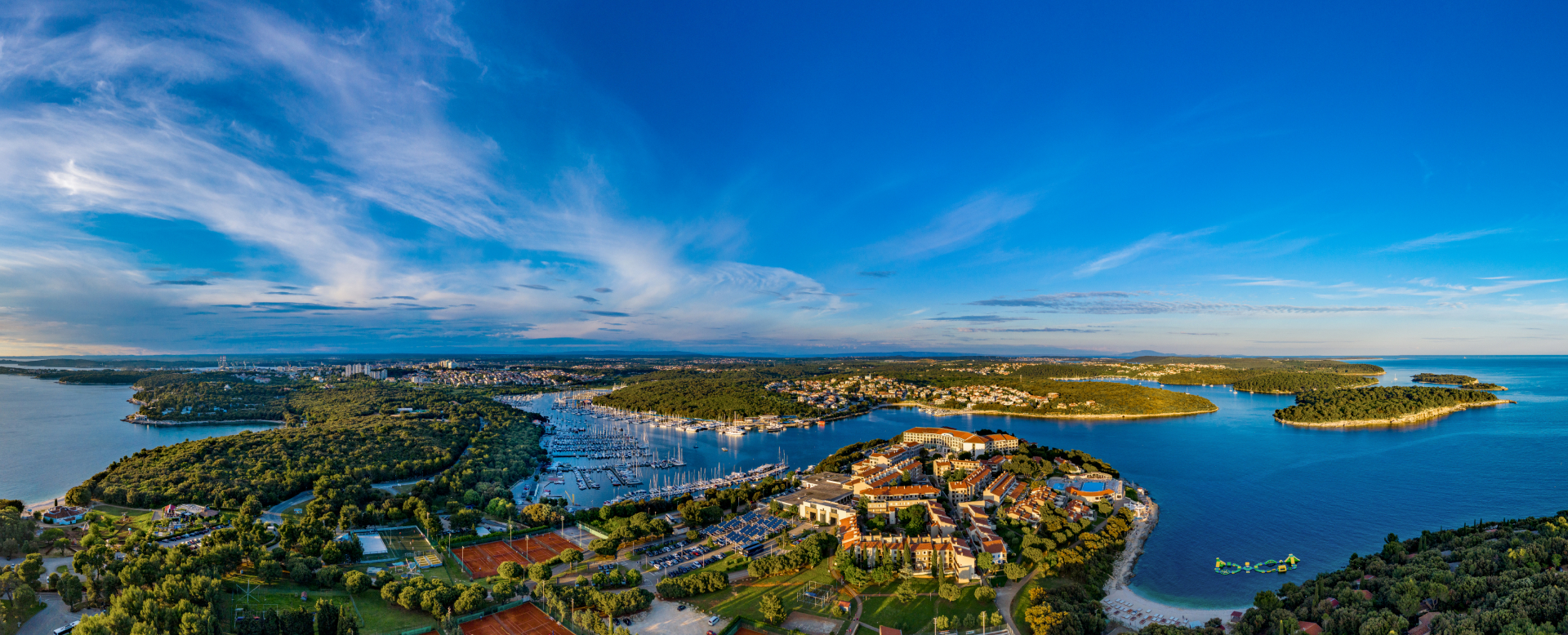
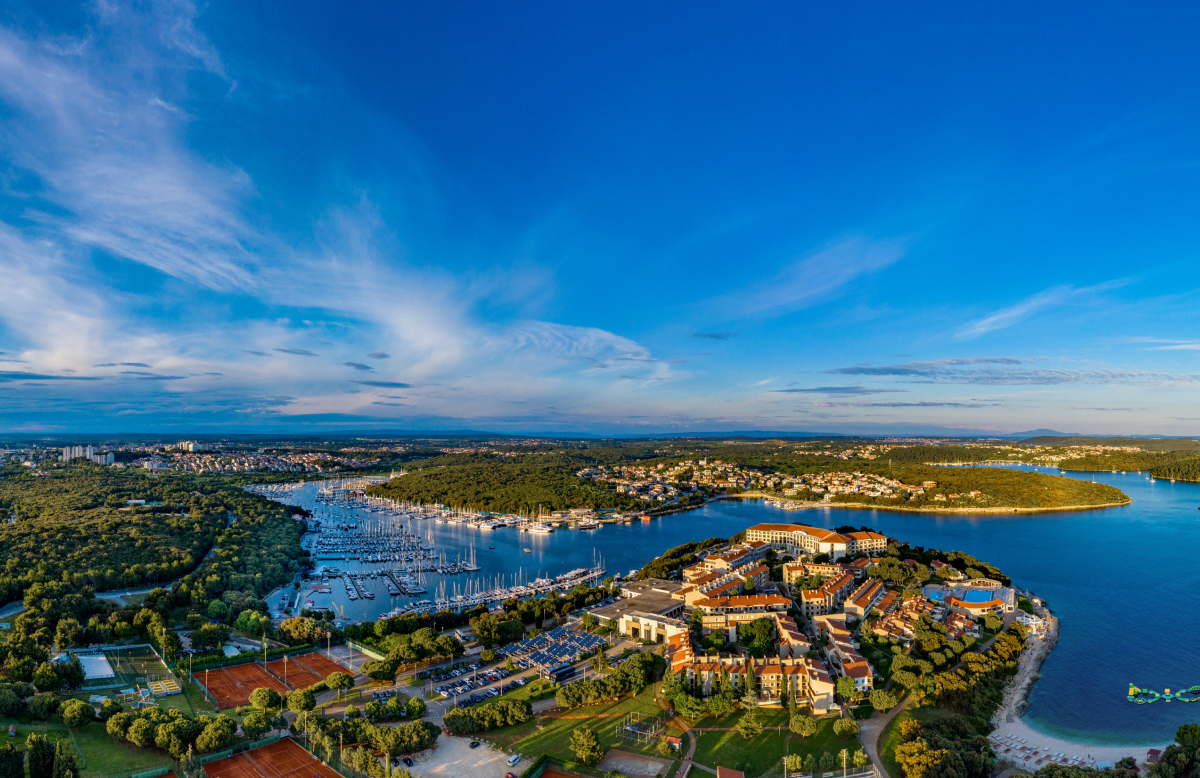
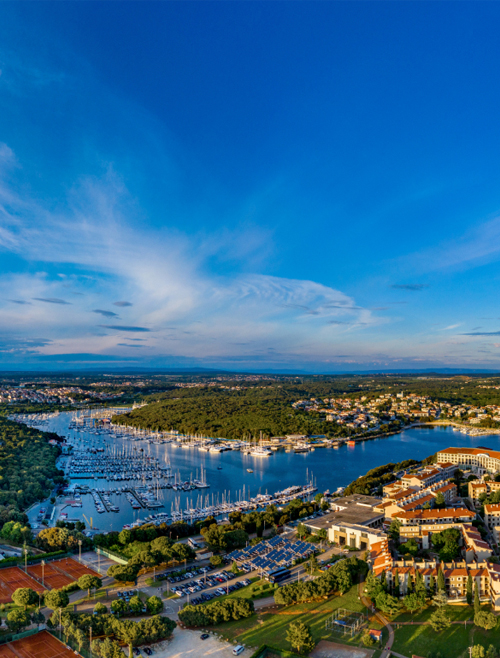
The popular Hawaii beach in Pula is located on the Verudela peninsula, just below the Park Plaza Arena Hotel. The real name of one of the most picturesque bays in Istria is Procipina, but it was named Hawaii because of the beautiful pebble beach framed by high rocks, on which high waves rise during strong southern winds.
A boardwalk passes over the Hawaii beach, from where you can enjoy the entire palette of blue colours when the sea is calm. You can take stairs down to the beach or go by rocky paths on its sides. This snorkeling location goes west, in the direction of the Holy Rock, to the nearby Canyon.
The itinerary follows a rocky coast that hides a beautiful underwater walkway that cascades down to the deep. The pebble beach resembles a waterfall falling down into the bay, but as soon as you swim towards the side rock on the right, looking towards the sea, you come across a flat wall that bends into a sunken cape.
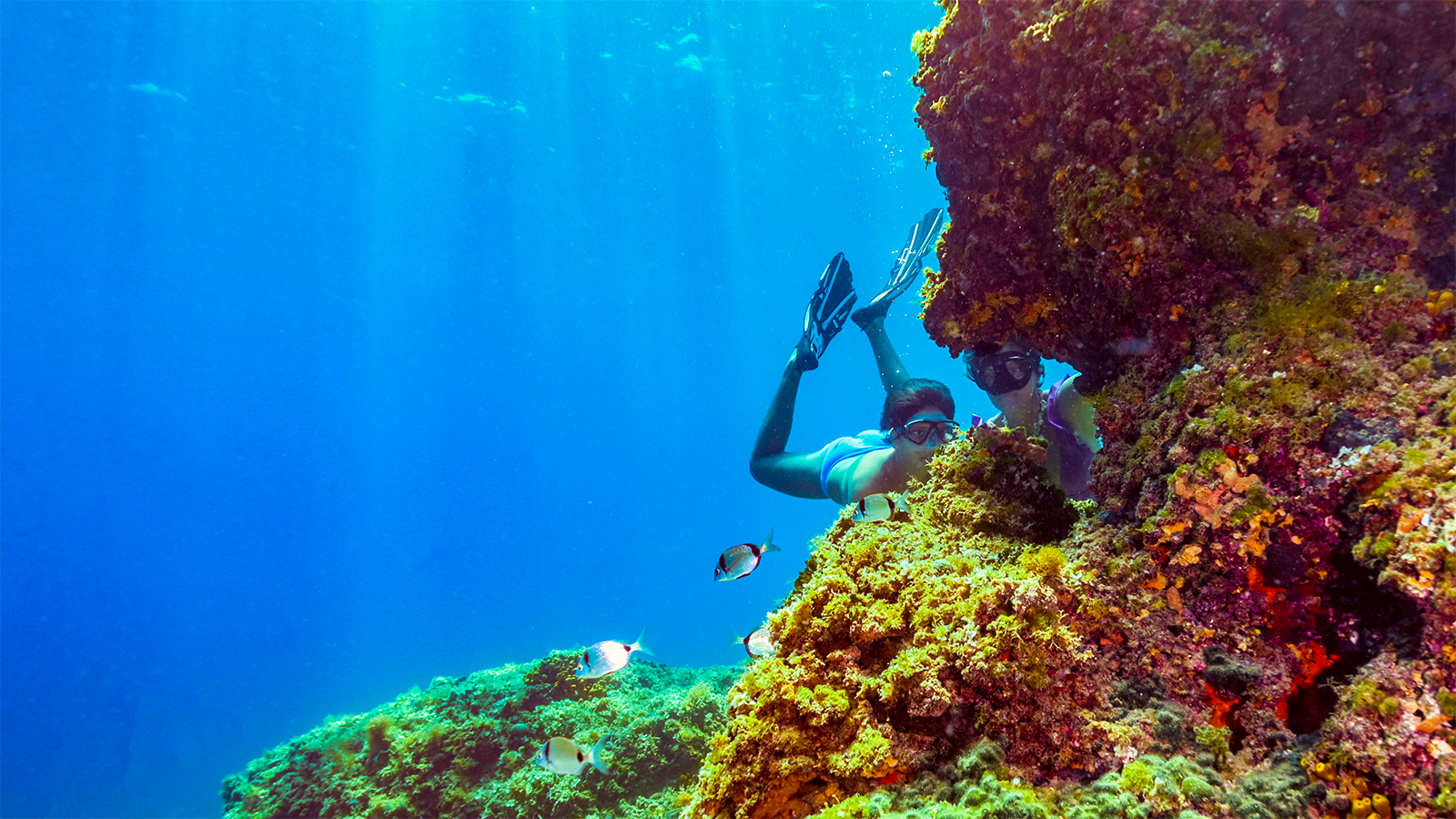
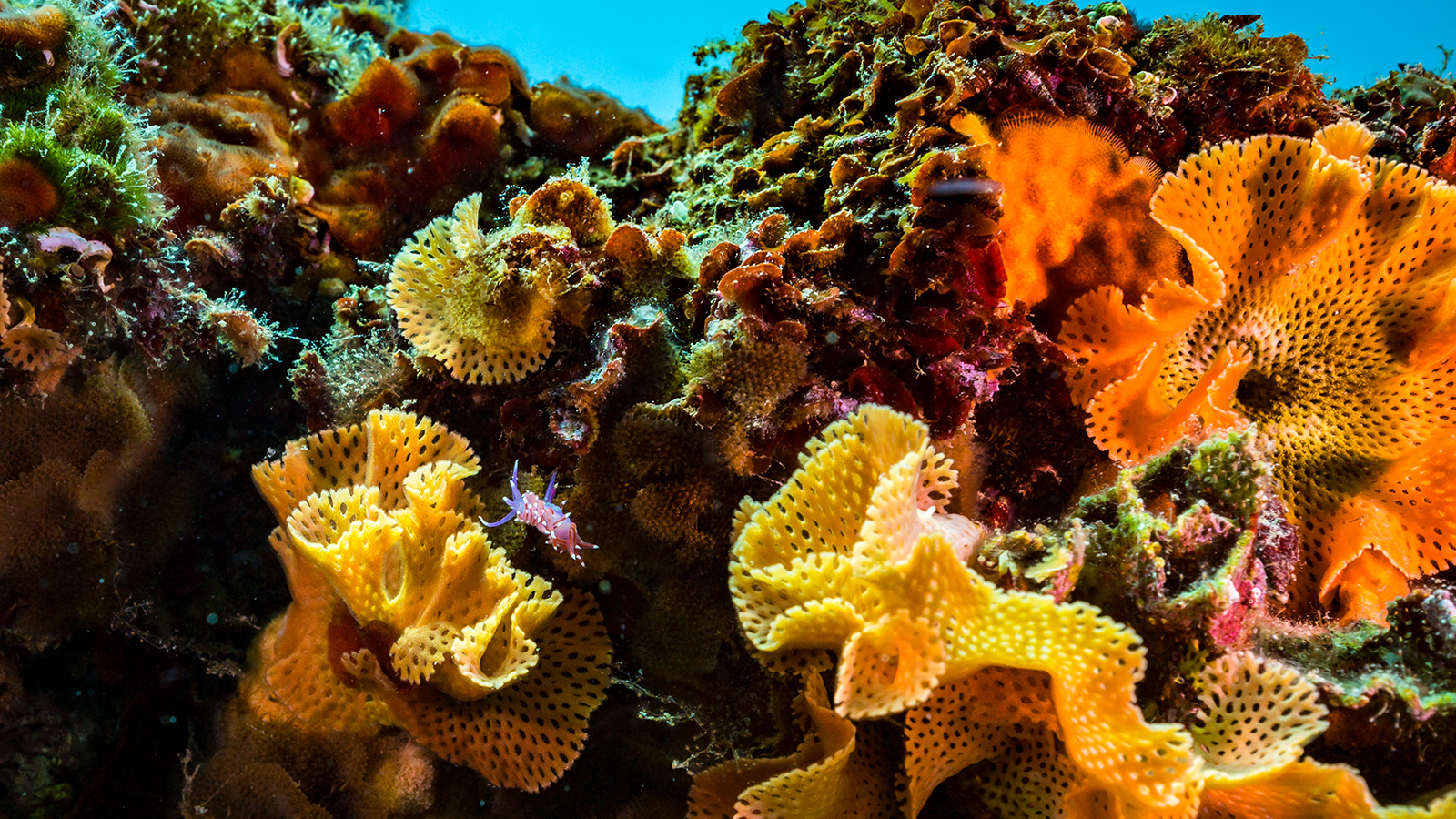
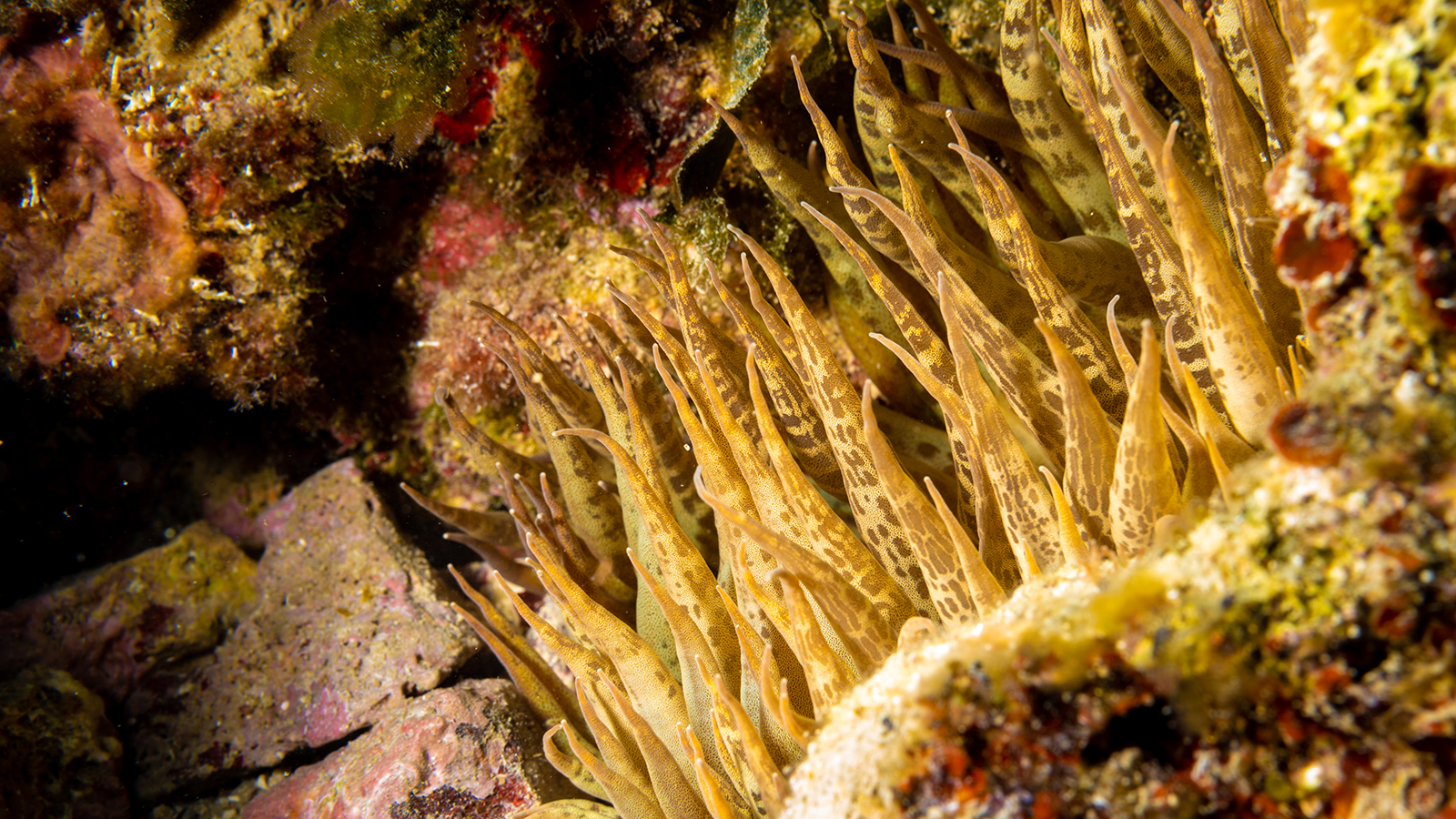
The rock is dotted with small crevices in which colourful caves are hidden, richly overgrown with various types of sponges, green, brown and red algae and sea urchins. Starting at a depth of 4 metres, almost under every stone roof there are small coral reefs made of stem-like bryophytes that look like corals, popularly called “false corals”.
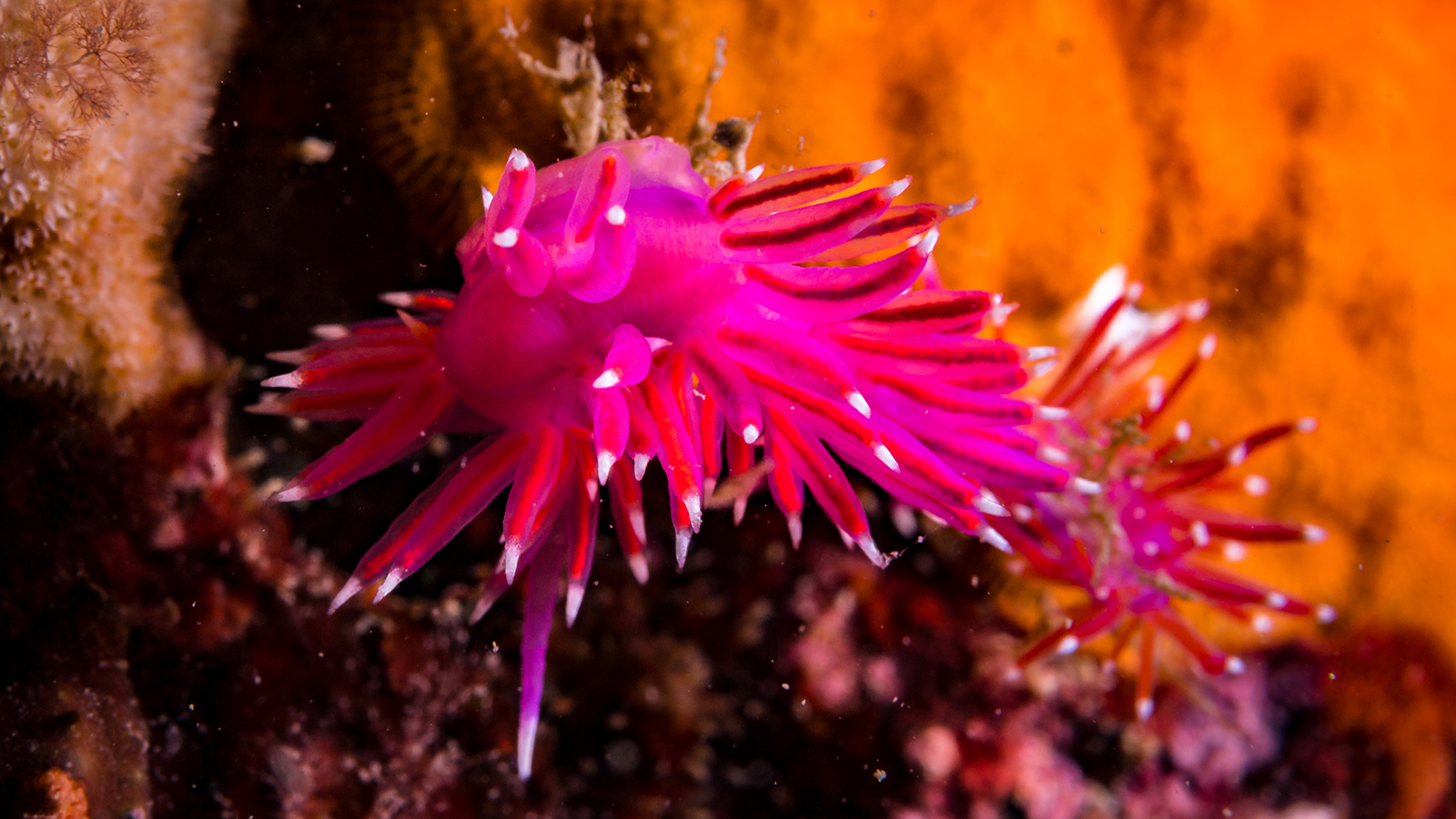
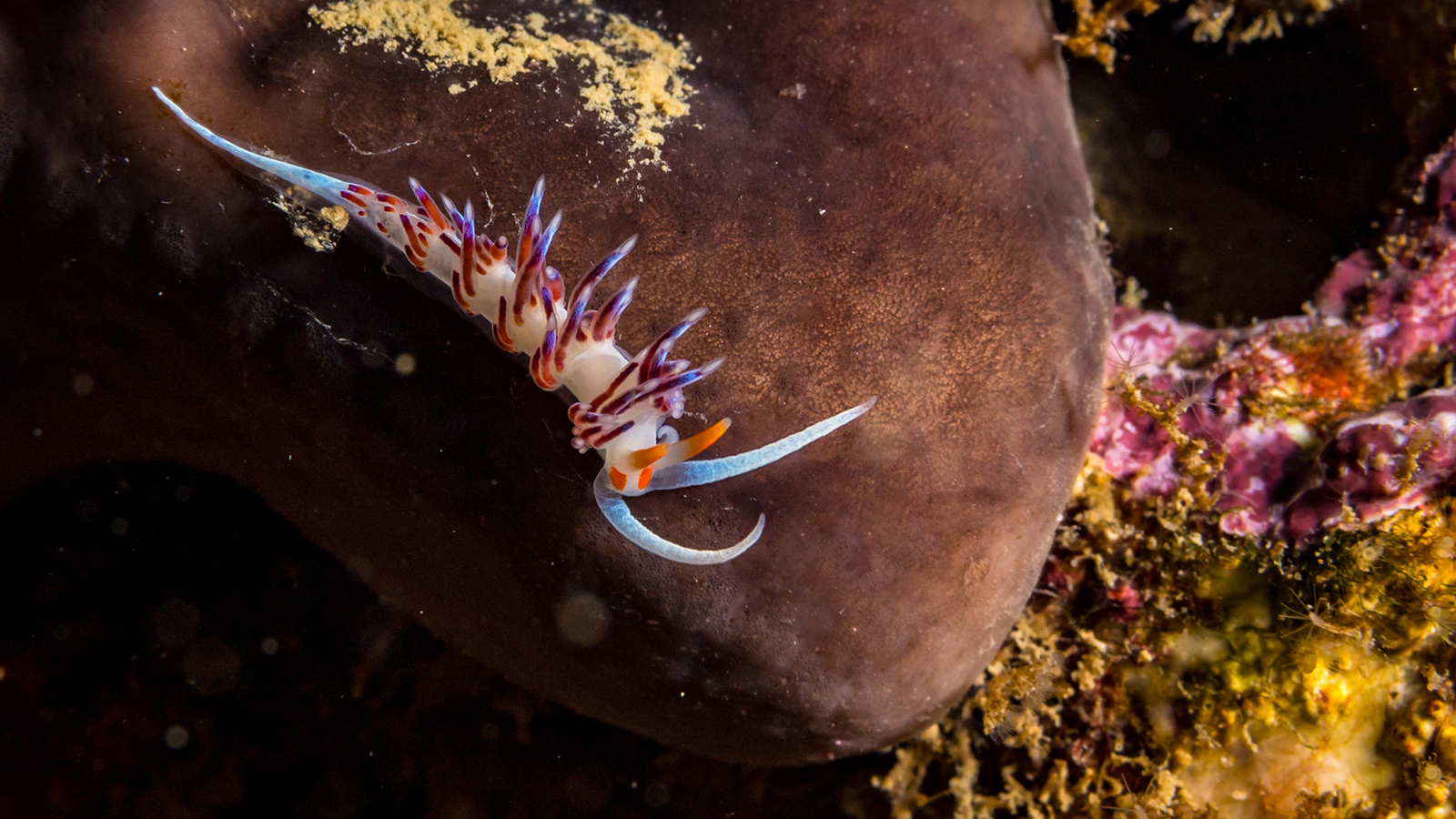
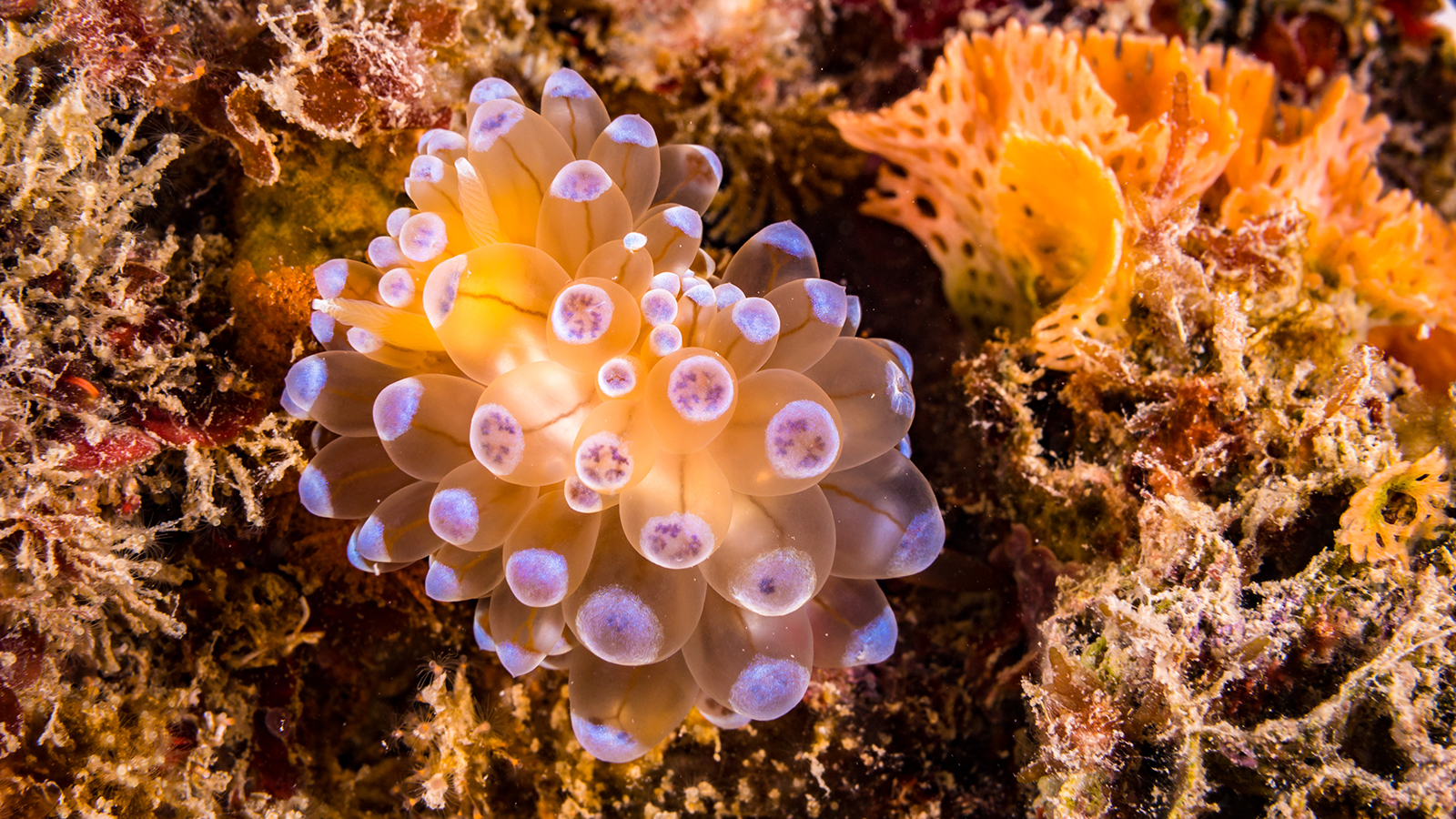
The Hawaii West snorkeling location abounds in rich and preserved false coral gardens in all shades of orange, pink and red, which have formed real coral groves on shady areas under rocks and stones. This is precisely why they are a favourite home for nudibranchs, the most colourful creatures of the Adriatic. These harlequins of the sea “wear” unusual colour combinations that can only be admired by detailed close-up observation. Namely, these slugs are very small, ranging in size from one to five centimetres, and are very sensitive to the touch due to the delicate body structure that resembles a crazy gel-styled hairdo.
Swimming along the very edge of the coast, you will come across a rock which top protrudes from the sea. Here, for those more curious, at a depth of 6 metres, under the elongated roof, hides another wonderful garden of false corals.
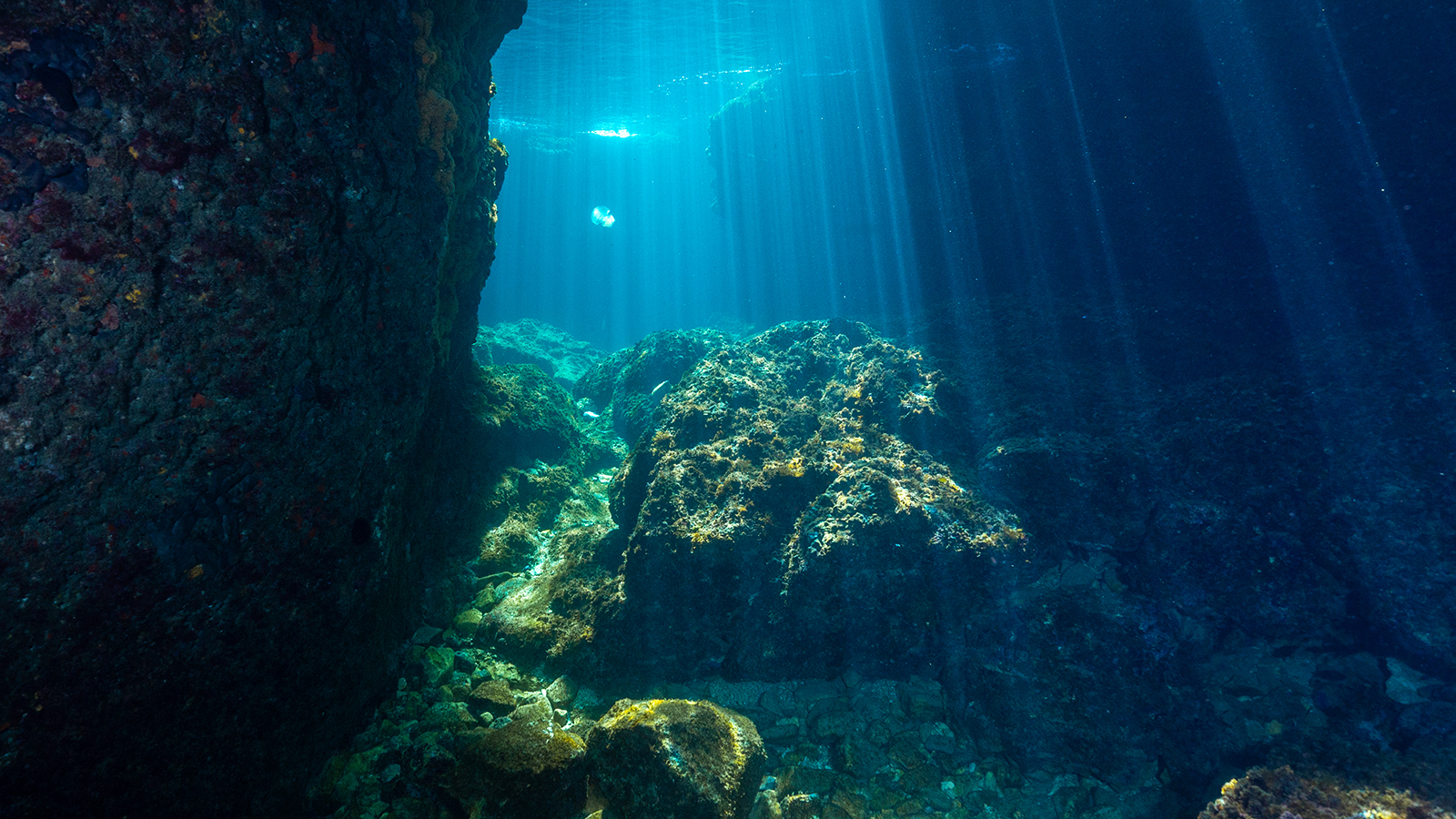
The biggest surprise at this location is the underwater tunnel, located twenty metres further, at a depth of 2 to 3 metres. Its narrowest part can be easily dived through with a mask and fins. Coming out of the tunnel, you will notice flat walls descending to a depth of 7 metres, below which there is an elongated cave with a variety of algae and sponges. These narrow caves shaped like horizontal crevices hide eels, red and black scorpion fish.
Shells and snails are scattered around on such plateaus, and one of the most beautiful is the ear shell. On the Hawaii beach one can also find a smooth-shelled cowry snail, a protected species of the Istrian undersea. In hidden recesses of this very indented coast it is possible to meet the sea bass, the sea bream, schools of sheephead breams, twoband breams, the Mediterranean rainbow wrasse, painted combers, damselfish and saddled seabreams.
The snorkeling itinerary leads to the Canyon, a deep cut that hides a secret beach between high rocks. This Pula snorkeling location is a treat for the eyes because of the outer, high gorges that surround you while you swim along the coastline, as well as the underwater walls that reach into greater depth.
In good weather, one can see the bottom at about 20 metres, which is a particularly beautiful sight due to the steep slopes of the cascading bottom.
Bear in mind
The Hawaii snorkeling location is just as interesting if you take the shallowest path as it is if you opt for the slightly deeper one. The choice of path depends on your free diving physical fitness! If you want to explore what lies beneath the stone roofs, it is necessary to put on fins for a more comfortable dive. It is advisable to take an underwater lamp with you, because the spectrum of red, which is the basic colour of our false corals, disappears at a depth of 5 metres.
Underwater tunnel research
No matter how shallow the tunnel, good personal judgment is required. Dive in at the entrance and take a good look at the distance that needs to be covered. When children want to dive through this tunnel, dive with them at the entrance so they can judge the distance and readiness for themselves.
Let’s protect the Adriatic Sea
Do not pluck the branches of red mosses as a souvenir from the Hawaii beach, because this location would not be so interesting without them. Our sea was there before us and will be there after us, but we want to share the treasures it hides with everyone. The best souvenir is the one you take home with you in your memory or a photograph.
Prirodno
Prirodno (Natural) snorkelling site is located on the east coast of the Arena Stoja Campsite in Pula. The beautiful camp is situated on the Stoja peninsula, which, if you look at it from the air in the direction of the Brijuni Islands, resembles a jumping dolphin with a tail which fins form two access roads, while the dorsal fin point at the Muzil gorges. Local population has always called this rocky beach Prirodno (Natural), probably because of its magnificent, natural beauty.
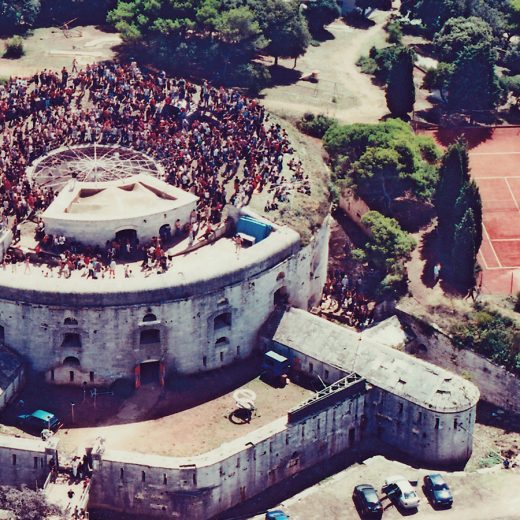
You can get to the Prirodno location by walking along the circular road that curves around the Austro-Hungarian fortress in the east, passing through a grove of Mediterranean pine trees, overlooking the Splendid Resort and Grand Park Hotel Brioni on another of Pula’s peninsulas, Verudela. However, perhaps the easiest way to reach our snorkelling location is to walk along the shore from the neighbouring Stoja City bathing area, and after passing the water sports pier, continue scrambling on the rocks for the next 200 meters.
One cannot miss the location because Prirodno is a unique place in Pula that is unprecedented for its interesting geomorphological shape — a stone bridge. It is incredible that on the very stretch from Prirodno towards the flat slabs, some 100 meters away, you can find three semi-open caves on dry land, two of which are penetrated by the sea. You can explore them all by careful climbing or careful diving.
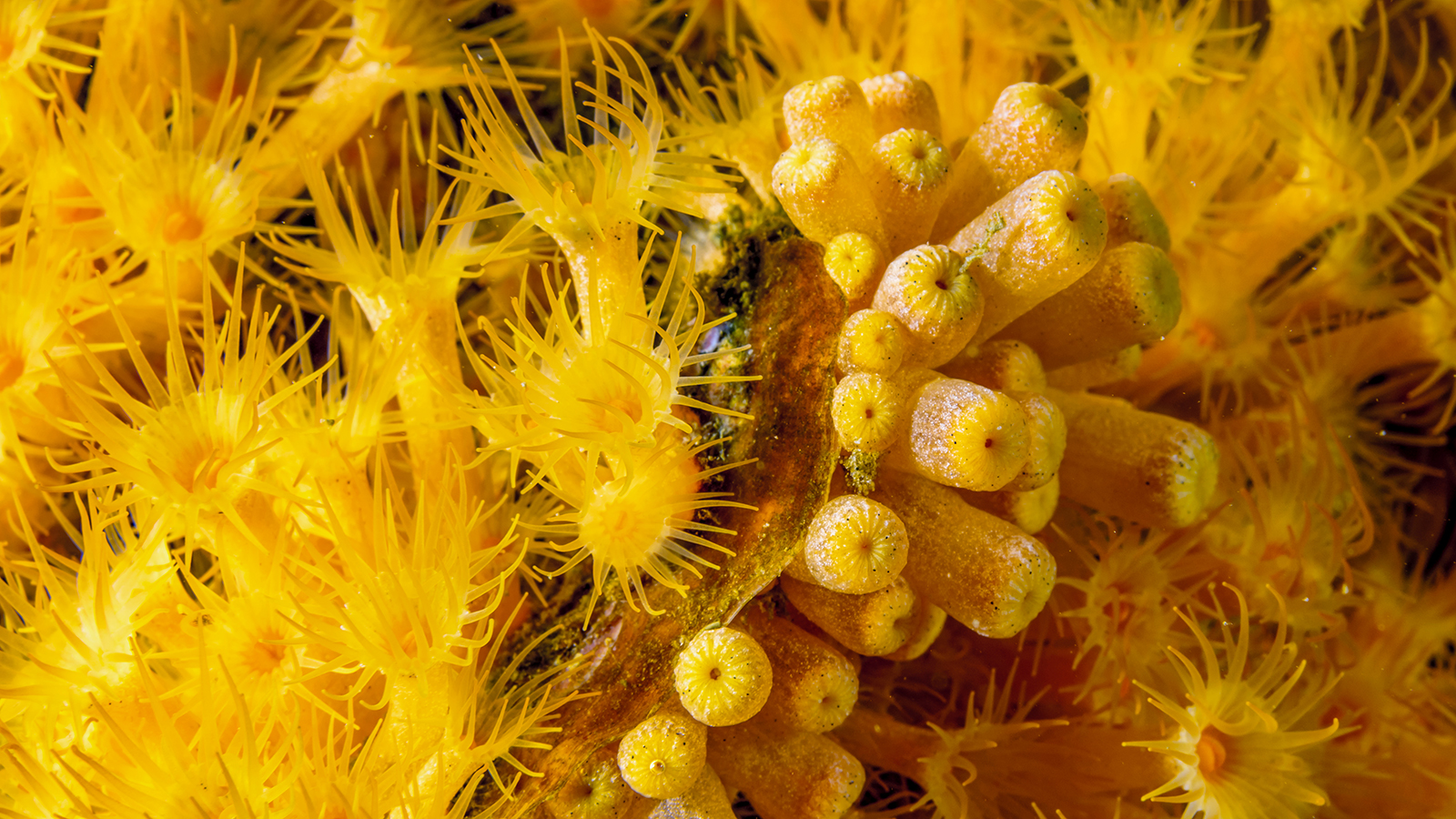
You can start swimming in this snorkelling location in front of the stone bridge because when in water you will enjoy the most beautiful view of it. A small channel with an initial depth of 4 meters takes you under a stone bridge. A yellow wall is hidden at the bend, which owes its colour to blooming cnidarians. In the early morning, the entire arch under the bridge looks gilded, partly from the dawn, partly from their reflection. If you continue to the end of the channel, the depth decreases to 2 meters, and you come to a submerged passage in which a small air space is created during low tide. This tunnel is about a meter and a half long and leads into a new pool filled with sea and strewn with large rocks. There is a half-open cave in the rock.
Returning to the beginning of the channel, you continue the itinerary along the right side, and following the shoal, you will discover, at a depth of one meter, a longer roof under which sponges of various colours, woody bryozoans resembling corals and orange cnidarians are hiding. Rocks in this part descend in a step-like fashion to a depth of 7 meters.
Continuing further, you will come across a bottom strewn with stones in the form of a sunken cove, which at a depth of 4 meters has a roof that hides a small coral grove in its shadow. There is colourful life in every crevice in the rocks. Here hides a warty crab that wears an orange sponge on its back. It most often climbs the ceiling under the sea roofs. You can find various types of small snails that adorn the rocks of this location with their incredible colours.
If you are more curious and can dive a little deeper, at the end of this underwater reef there is a wall that drops from 6 to 11 meters of depth. It is full of crevices that abound in various types of false coral. The next reef is a real surprise because from a distance it looks like a big fish with an open mouth and an eye through which you can peek to the other side. Behind this fish reef is the entrance to a small, shallow lagoon with a soft blanket of brown algae, like a carpet, ending in a half-open cave.
Going back, you will notice bare rocks, stripped of sea urchins, with clearly visible holes which serve as a home for the protected date shell. It is easily recognized because it resembles a date in form and colour. Due to the way it is extracted — by breaking underwater rocks, it is a strictly protected species. An interesting fact — it can live up to 80 years and it grows very slowly. Continuing along the coastline, you will notice that the rocks are layered. A short winding path at a depth of 2 meters will take you to another semi-open cave, which can be entered both from the land and the sea. The entrance is visible during low tide and a short dive is required to enter the small labyrinth of this stone cauldron.
Prirodno location is abundant with small blue fish, as well as gilthead seabream, sharpsnout seabream, two-banded sea bream, saddled seabream and damselfish. Under the larger rocks, you can find a lobster or startle a brown wrasse recognizable by its black-green colour and a turquoise rim. Around the stones, everything is teeming with colourful fish such as the Mediterranean rainbow wrasse, the painted comber and the East Atlantic peacock wrasse.
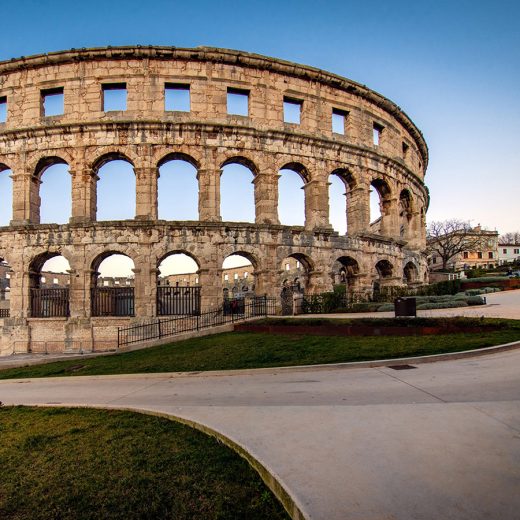
One legend says that the Pula Arena was built by fairies, supposedly only at night. When the rooster crowed in the morning, they would leave big stones wherever they happened to be. They might have found their haven in Prirodno, hiding from people in its half-open caves, which could explain large boulders at its bottom. There you can find traces of the Roman past as well as the recent past of Pula, once the main naval port of the Habsburg Monarchy, as evidenced by the fort on the Stoja peninsula.
Important notes
Touring this snorkelling location is simple, but requires special care when diving under the short arches of the entrance to the semi-open caves. The entrances are very shallow and should definitely be avoided if the sea is rough, because you can hit your head if the waves push you around. To avoid awkward situations, it is important to give yourself time to estimate the length and depth of the required dive so that you can safely and comfortably dive the required distance. It is recommended to bring a small underwater lamp to illuminate the shadowy crevices and see the colourful marine life in them.
 Arena
Arena